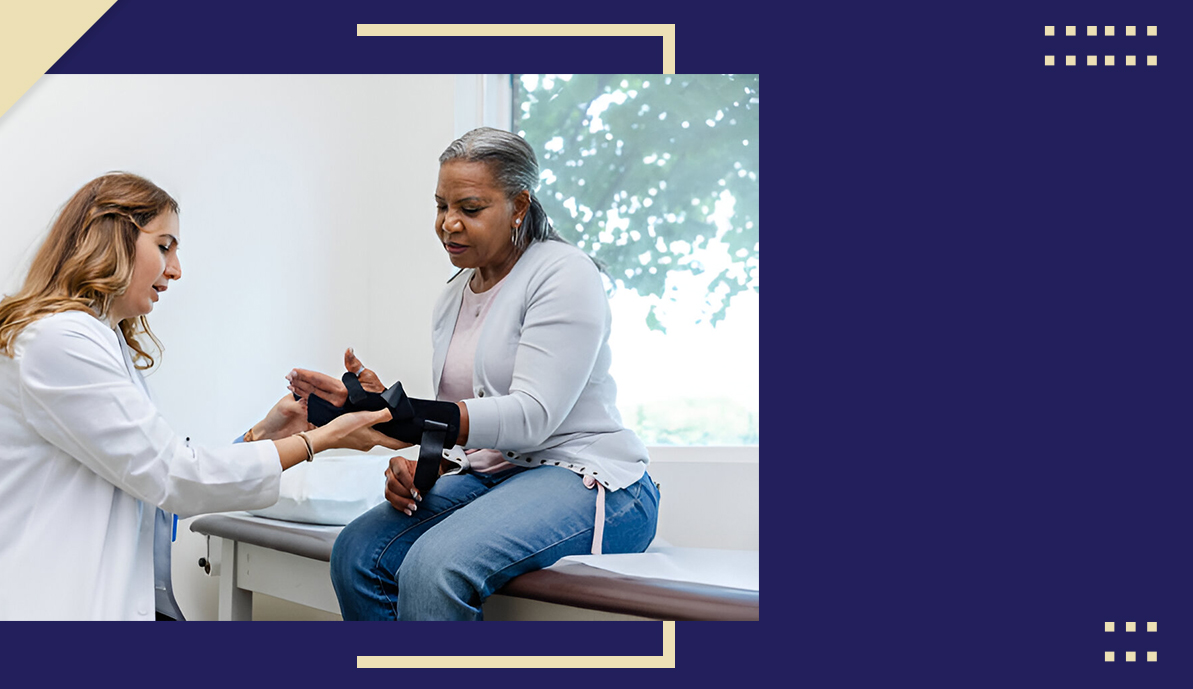
Published 07.11.2024 by
Josephine Cook
1. The Role of Orthopedic Surgeons
There are a variety of orthopedic treatments that help individuals live pain-free, happier, and more productive lives.Many people know if their condition requires an orthopedic surgeon or where to find one in need. Some patients even run away from orthopedic surgeons, worried that the healthcare professional will be eager to put them under the knife. However, if there is any medical specialty worth understanding, it is orthopedics.Orthopedic treatment after injury is the key to managing and treating bone and joint pain and ailments that most people experience. Once you understand the basics of this specialty, you can begin to address the condition.2. What Exactly Does an Orthopedic Surgeon Do?
Orthopedic surgery specialists specialize in treating the musculoskeletal system, which includes the bones, muscles, joints, ligaments, and tendons — structures of the human body that are essential to movement and everyday life.It is especially relevant that orthopedics is a highly sought-after specialty.- Dislocated joints, hip or back pain, arthritis (which affects half of people over 65).
- Acute, chronic, and degenerative pain.
3. Types of Orthopedic Doctors
Let's start by differentiating orthopedic surgeons and orthopedic specialists.When referring to orthopedic doctors, the term “orthopedic surgeon” is often used by default. This is understandable because orthopedic surgeries are one of the most common medical procedures. Many of us know someone or have heard that someone close to us has undergone some type of orthopedic surgical procedure. However, while all orthopedic surgeons are orthopedic specialists, not all orthopedic specialists are orthopedic surgeons.Any orthopedic specialist, surgical or otherwise, is qualified to evaluate, diagnose, and treat an orthopedic condition using noninvasive treatments. And just because orthopedic surgeons are qualified to operate doesn't necessarily mean they will. Reputable orthopedic specialists backed by robust healthcare systems are more likely to restore lives using advanced, nonsurgical techniques. That means everything from minimally invasive procedures to computer-assisted treatments to harvesting and growing one's own cells for cartilage repair.Orthopedic experts work to evaluate a patient's particular condition and offer treatment options. They also help determine the best course of action. This could include surgery, but often doesn't, even if that doctor is an orthopedic surgeon.Orthopedics professionals are dedicated to preventing, diagnosing, and treating disorders of the bones, joints, ligaments, tendons, and muscles. Some orthopedists are generalists, while others specialize in certain areas of the body, such as:- Hip and knee
- Foot and ankle
- Shoulder and elbow
- Hand
- Spine
4. Surgeon or Specialist?
Nonsurgical orthopedic specialists can be a great starting point for patients who don't have a clear diagnosis. In fact, up to 70% of all sports medicine-related musculoskeletal injuries can be treated without surgery. When an orthopedic surgical procedure becomes necessary, patients are then referred to orthopedic surgeons.Seeking orthopedic surgery specialists is recommended if a recent diagnosis or suspected diagnosis includes surgery. Patients can determine if they might need surgery by first consulting their primary care physician. They can also research their condition after a diagnosis.5. The Role of Primary Care Health Care Professionals
When an injury is traumatic or caused or aggravated by repetitive motion, you will likely end up seeing an orthopedic specialist. However, when it comes to a seemingly minor injury, you might think there is no reason to go to general practice, much less see an orthopedic surgeon. However, primary care physicians are the best to contact when patients are experiencing a combination of orthopedic symptoms (bone and joint pain) and non-orthopedic symptoms.There are some telltale signs when you should see an orthopedic specialist or a professional. For example, chronic pain, inability to perform daily functions, limited range of motion, and difficulty walking, climbing stairs, or standing. Also, if you have a soft tissue injury such as a sprain or strain, which has not improved within 48 hours.Get Rid of Bone and Joint Pain
At Injury Assistance Network, we constantly hear from patients whose lives have dramatically improved because of expert orthopedic care. Seniors who thought they would never be able to play with their grandchildren. Athletes who assumed they would never run or play again. Patients whose pain made them feel too depressed to do the things they love. Pain doesn't have to be a part of your life. Seek timely care from an orthopedic specialist or orthopedic surgeon.You will also have legal professionals to assist you with your claims as well as consulting and pharmacological and financial assistance for you. Contact us today at Injury Assistance Network to begin your journey to a speedy recovery.Share with your friends:
 Verified Listing